Group Leader
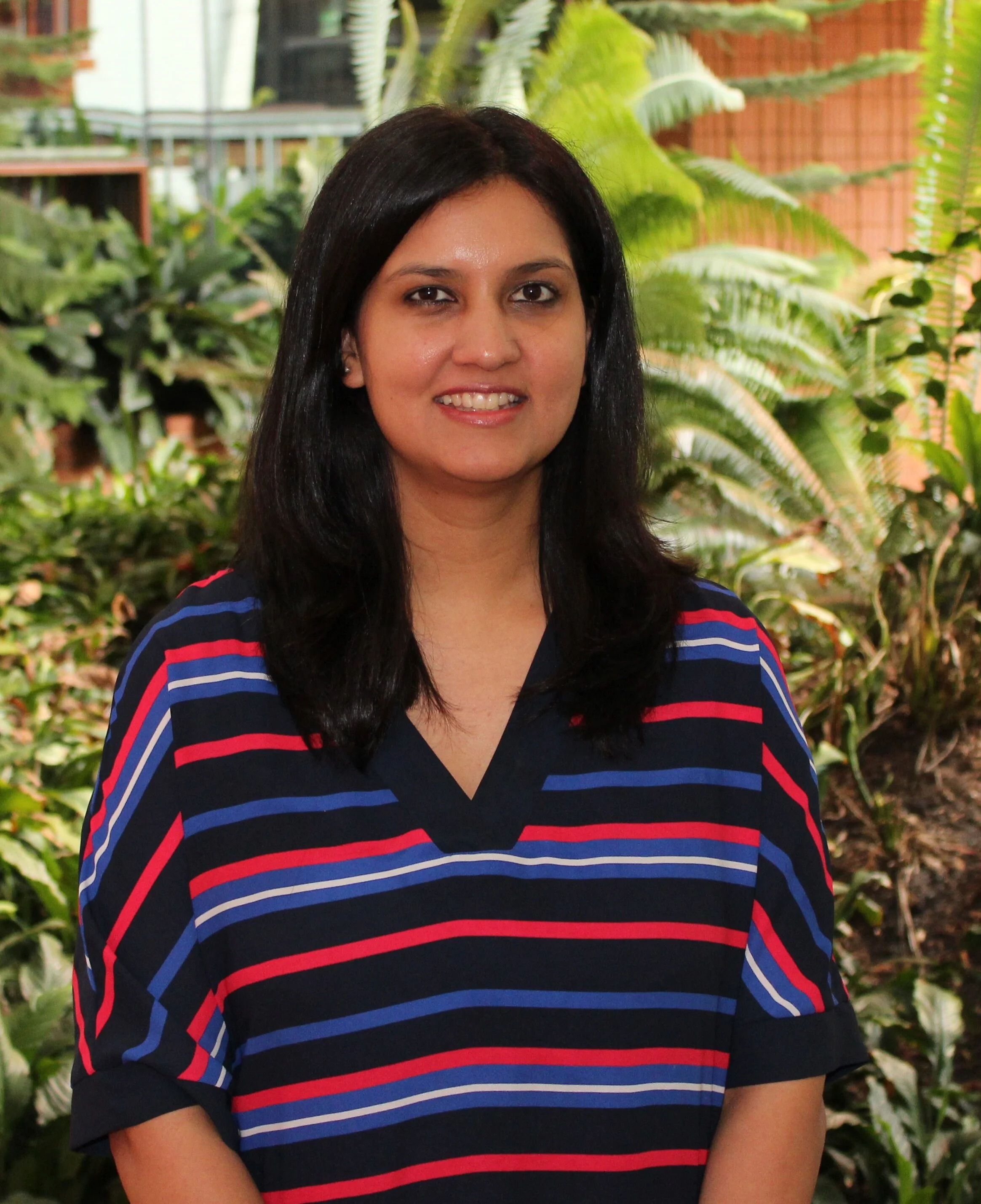
Professor Sumaira Z. Hasnain
Sumaira Hasnain graduated with her PhD in December 2010 from The University of Manchester, UK. She is currently a Professor at the Mater Research Institute-University of Queensland with a team of 8 researchers. Prof Hasnain was the first globally to demonstrate that immunity can modulate protein production in secretory cells in infection and chronic diseases. Her long-term vision has been to characterise these novel immune factors and manipulate them therapeutically using pre-clinical models of immune-driven pathologies. She holds several patents for targeted immunotherapy in metabolic disease which has led to the formation of a spin-off company, Jetra Therapeutics and venture capitalist funding. She has a rapid upward trajectory in research, evident by extensive body of high-quality publications including in Nature Medicine, Nature Comms, Oncogene and Gastroenterology. She has been awarded more than $8 million in competitive funding and has won 21 awards to date, and is currently an National Health and Medical Research Council Investigator (L1). n addition to her research achievements, Prof Hasnain is a staunch advocate for Equity, Diversity, and Inclusion (EDI) in STEMM. She serves on the Australian STEMM Equity Advocacy Team, the EDI Committee at Mater Research, and holds the position of Chair on the EDI Committee for the Australia and New Zealand Society for Immunology. Through her work, she is committed to fostering an inclusive and equitable environment for future generations of scientists.
Lab Manager/Senior Research Assistant
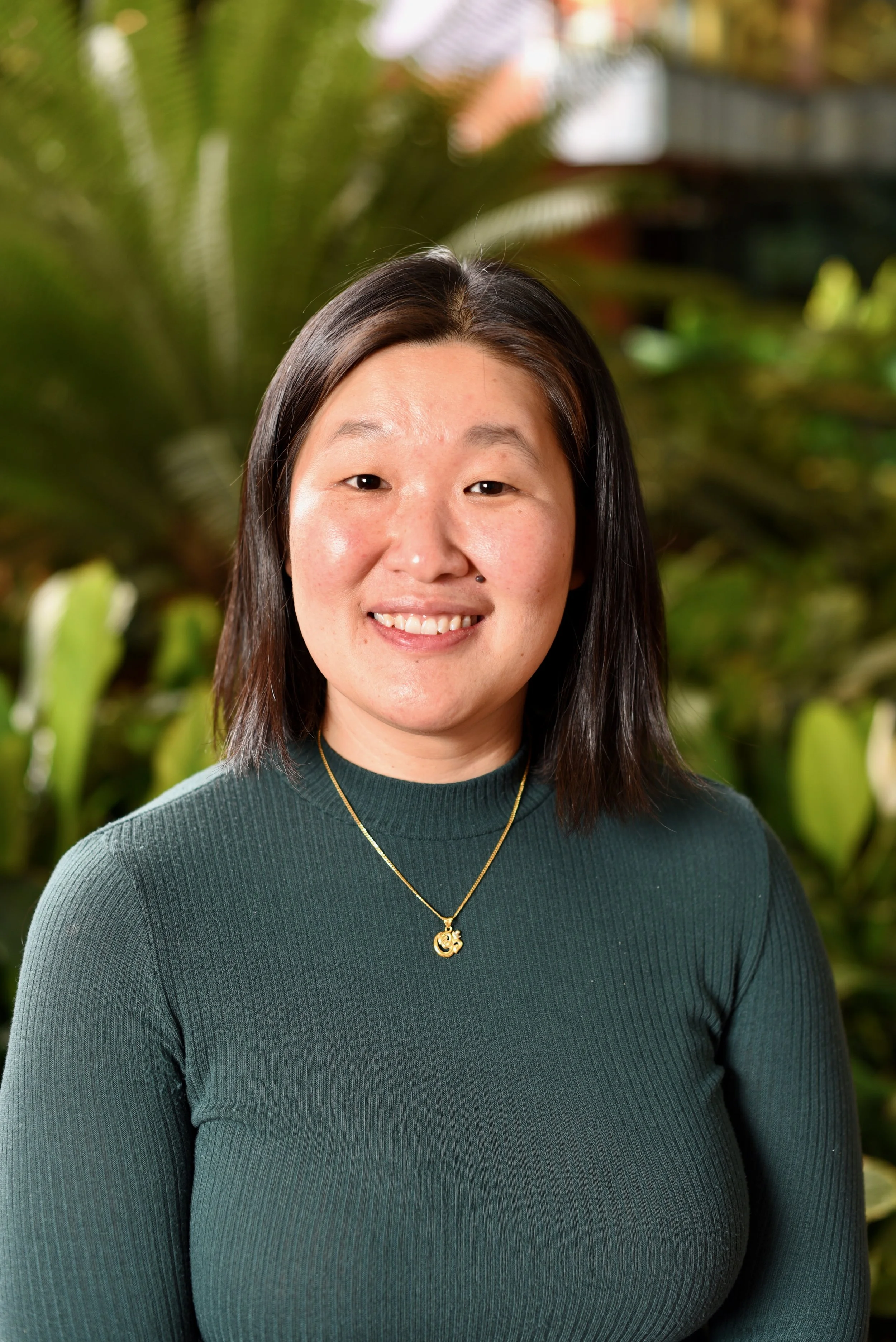
Dr Kuan Yau Wong
Kuan Yau Wong is Senior Research Assistant in Immunopathology Group at Mater Research-UQ. She has more than 20 years of working experience in research and academia.
Kuan Yau (K-Y) graduated with Bachelor of Biomedical Science with Honours from University of Malaya and Master of Science with specialisation in Pharmacy from University of Science, Malaysia. She then received her PhD from University of Queensland (UQ), where she studied as a Cooperative Research Centre-Biomarker Translation (CRC-BT) and UQ scholars. Prior to coming to Australia, K-Y was a Laboratory Executive and an Academic Instructor in Department of Physiology, National University of Singapore and Lecturer in School of Pharmacy at University College Sedaya International (UCSI), Malaysia.
Postdoctoral Researcher
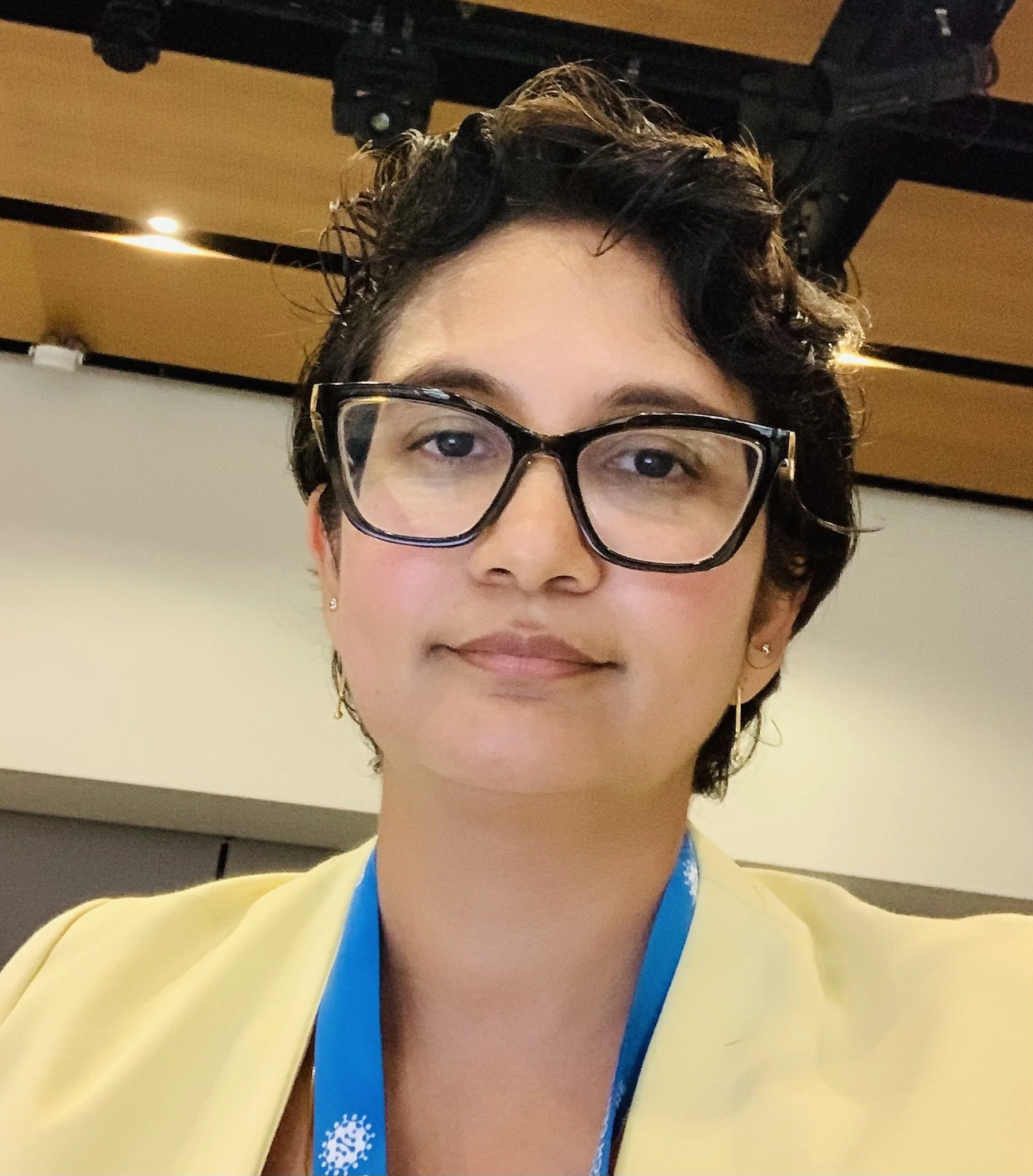
Dr. Rituparna Bhatt
Dr. Rituparna Bhatt is a biomedical researcher with extensive expertise in immunology, inflammation, and translational research. After completing her PhD in Biotechnology in 2014, she undertook research positions at the University of Queensland, QIMR Berghofer, and the Frazer Institute before joining Mater Research Institute at the Translational Research Institute (TRI) as a Postdoctoral Research Fellow in Professor Sumaira Hasnain's Lab.
Her research focuses on understanding the mechanisms that drive pancreatic injury and repair, with a particular emphasis on the protective role of IL-22 signalling in pancreatic β-cells during endoplasmic reticulum (ER) stress and inflammation associated with pancreatitis. Through a combination of laboratory-based and translational approaches, she aims to identify novel therapeutic strategies to preserve pancreatic function and improve clinical outcomes.
She has published her research in leading international journals and regularly presents her work at national and international scientific conferences. Beyond the bench, Ritu is passionate about mentoring students and fostering an inclusive research environment, helping the next generation of scientists develop confidence and practical research skills.
Research Assistant
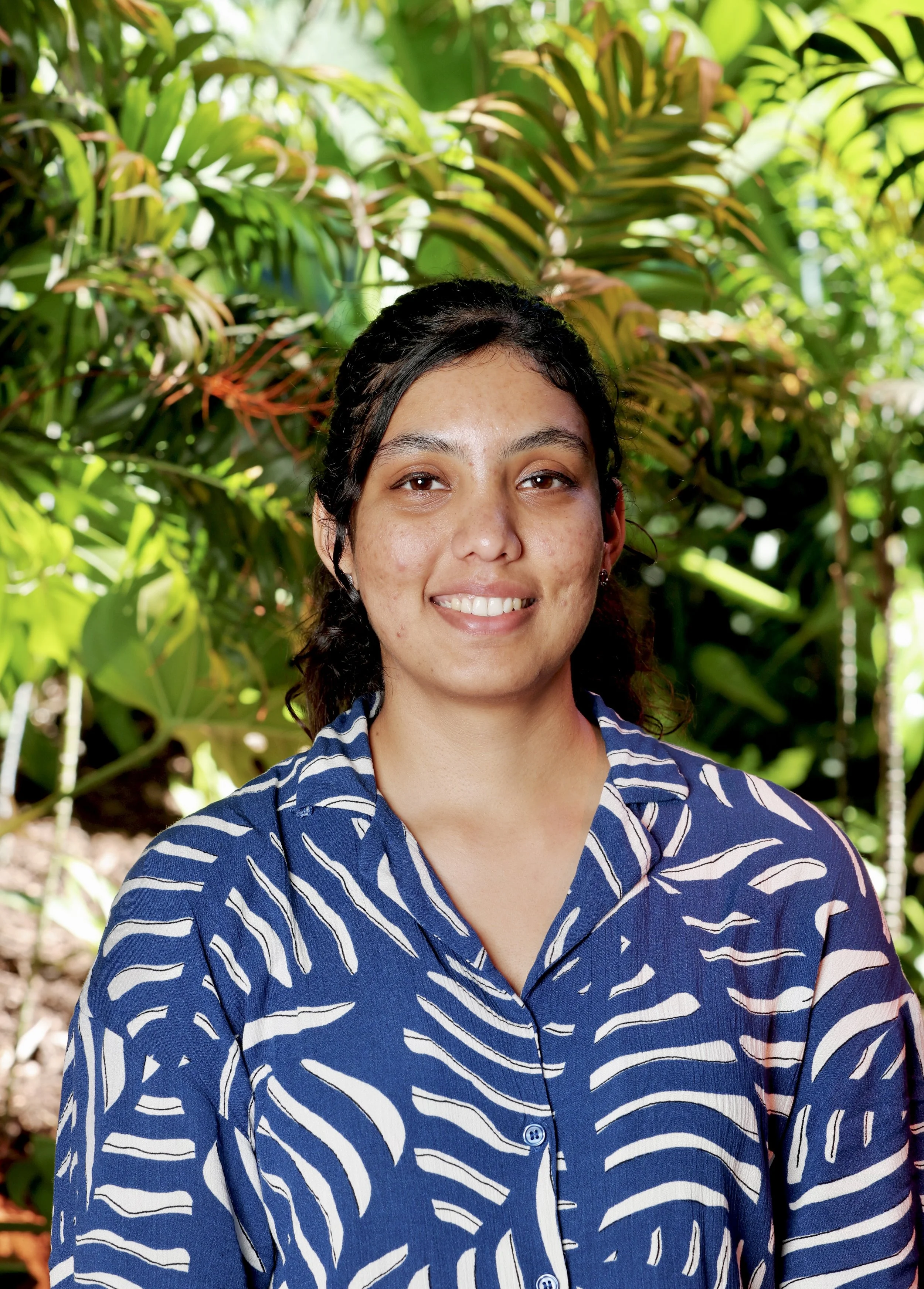
Deepna Balakrishnan
Deepna completed her Bachelor’s degree in Biotechnology at Vellore Institute of Technology, India, in 2022, where she studied gene expression changes involved in mucosal and systemic immune responses during enteric infections. She developed a strong interest in understanding immune mechanisms and molecular pathways underlying disease progression. In 2024, Deepna completed her Master’s degree in Molecular Biology Research (Research Extensive) in Australia, where she worked on designing a novel CAR-T cell therapy approach with enhanced NK-like properties to overcome cancer antigen escape. She joined the Mater Immunopathology Group at TRI as a Research Assistant in 2025, where she works alongside her colleagues on different projects focussing on immune regulation and inflammatory diseases, including investigating the role of IL-24 in improving fibrosis associated with inflammatory bowel diseases.
PhD Student
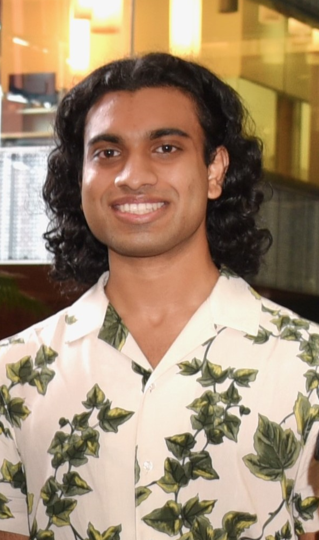
Thishan Illankoon
Thishan Illankoon graduated with a Bachelor of Biomedical Science, with 1st Class Honours from the University of Queensland in 2022, where he investigated the immunological capability of epithelial cells. He is currently a second year PhD student under Prof Sumaira Hasnain’s supervision at the Mater Research Institute – University of Queensland, where his work focuses on aging and the dysfunction of the unfolded protein response in mucosal epithelial cells. He ultimately aims to identify the impact of this on infection susceptibility and severity in older age populations.
Thishan’s work in ageing and mucosal immunity has led to multiple national and international presentations, including the European Mucosal Immunology Group Meeting and the GRC Biology of Aging, where this work was showcased. Thishan was recently awarded the Australian Infectious Diseases Research Centre Travel Award to attend the Lorne Immunity and Infection Conference 2026. Here Thishan won the best bite size presentation by a student award, demonstrating Thishan's strong communication skills. Thishan communication skills are further exemplified by his 3MT pitch in 2025, where Thishan won the People's Choice Award.